
Colorful, naturally sweet fruits, including peaches, pears, berries, melons, mangos, grapes, and cherries, are also high in phytochemical levels, as well as vitamins, minerals, and fiber — all for a moderate level of calories. Those who aren’t sure they’re meeting their protein goals can easily figure that out. Download a food tracking app, such as Cronometer or MyFitnessPal, and record your regular diet for several days. Keep an eye on your protein intake and see if you’re hitting your daily number. In general, the recommendation is to get 10%-35% of your total calorie intake from protein. That’s about 200 to 700 calories for a 2,000-calorie per day diet.
Plant-based whole foods happen to be the most nutrient-dense foods on earth, thus promoting optimal wellness and health. Plus these foods happen to taste delicious, are incredibly versatile, and keep us feeling and looking great from the inside out. A plant-based diet means eating seasonally, shopping local produce when available, and, at the core, being mindful of the connection between the source of our food and the nourishment it provides to our body and mind.
GET 5 FREE DESSERT RECIPES
Other varieties, like red or sweet potatoes, don’t contain as much protein (7 grams and 2.5 grams respectively), but they still can contribute to your daily intake goal. The humble spud isn’t always thought of as being a healthy food due to its many unhealthy incarnations (looking at you, french fries and loaded potato skins), but it’s actually a wholesome addition to your diet. Eating plant-based doesn’t have to mean being protein-deficient.
This way of eating focuses on plant-based foods but also includes fish, eggs, poultry, yogurt, and cheese a few times a week. Regardless, simply cutting out processed foods that aren’t allowed on a WFPB diet, such as soda, candy, fast foods, and refined grains, is a powerful weight loss tool. However, many people following WFPB diets eat more or fewer animal products depending on their specific dietary needs and preferences. It includes a small number of animal products, but you can choose the extent to which you include animal foods in your diet. I often refer to it as an 80/20 balance, sticking to the good habits 80% of the time with a healthy balance of 20% “enjoy the moment and live it up! ” I found, after a lot of personal disappointment from trial-and-error diets and lifestyle methods, that I couldn’t maintain any of these strict changes.
Ramping Up Your Plant Intake May Keep Your Brain Strong
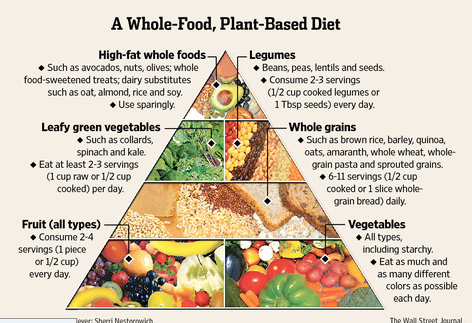
Soy-based proteins, such as tofu and tempeh, legumes, nuts, seeds, nutritional yeast and even veggies such as potatoes and greens can help you fill your protein needs for the day. Plant-based diets can pose certain risks, particularly regarding specific nutrient deficiencies, such as vitamin B-12, calcium, vitamin D and iodine. However, these risks can be overcome by choosing the right vegetarian foods and, when necessary, adding supplements. A nutritionist or dietitian can help identify which nutrients may be missing from your meals. “A plant-based diet emphasizes foods like fruits, vegetables, and beans, and limits foods like meats, dairy, and eggs,” Manaker says.
Latest Plant-Based Recipes & Wellness Tips
No matter how you choose to do it, it’s hard to go wrong adding more whole plants into your diet. Just beware that highly processed vegan foods are not necessarily any better than other types of highly processed foods, so go for whole fruits, vegetables, grains, nuts and seeds whenever possible. However, these diets should be well planned to meet nutrient requirements and should be high in vegetables, fruits, whole grains, legumes, nuts and seeds, and other whole plant foods. Supplements for vitamin B12, and as needed, vitamin D, should be incorporated. A plant-based diet is not a vegetarian or vegan diet; you can eat poultry, beef, eggs, fish, and dairy products, however most of your nutrient intake is coming from plant-based food sources. There is no set ratio of plant to animal foods on a plant-based diet, but at least 2/3 of each plate of food (or meal) you eat is a good way to start.
From there, more restrictions could be put in place depending on unimeal reviews complaints how strict you want to be. “It may completely eliminate foods from animals or just limit intake, depending on the individual’s interpretation,” Manaker says. How can something as simple as lunch lead to major health changes?
Lastly, foods containing omega 3s, especially those high in alpha-linolenic acid (ALA), can help the body produce longer-chain omega-3s, such as eicosapentaenoic acid (EPA) and docosahexaenoic acid (DHA). Vegans wanting to enhance their absorption of iron and zinc should try fermenting, sprouting, and cooking foods (34). Veganism is defined as a way of living that attempts to exclude all forms of animal exploitation and cruelty, whether for food, clothing, or any other purpose. We are passionate about helping you rediscover your physical and mental health in a sustainable and enjoyable way by transitioning to a more plant-based lifestyle.
Scientific Benefits of Following a Plant-Based Diet
She is the coauthor of the Plant-Based Nutrition Quick Start Guide and works with many of the leading organizations in nutrition and lifestyle medicine to develop nutrition content, recipes, and educational programs. She says that for current meat eaters, dismissing animal foods across the board can make mealtimes stressful and make it challenging to source micronutrients that are hard to come by in plant-based foods, such as B12 and iron. After a couple weeks of slowly weaning yourself of most animal products you will eventually find it much easier to cut any remaining animal products and foods from your diets. Your palate will have gotten used to your new meal plan and you will no longer miss any of the older meals.
Look For Vegan Meat Alternatives
In the table below, you will find a list of vegan friendly foods that you can use the next time you visit your local market or grocery store. Please note that this is not an exhaustive list of all the vegan foods available. Choose from an endless list of plant-based, cruelty-free brands for your shampoos, supplements, skincare, and more. Whether you’re vegan, plant-based, flexitarian, kosher, suffer from allergies, or just want to eat & live better, we know you’ll find a new favorite product. Clearly Veg is a nonprofit that aims to be all-inclusive, understanding that some people are only just starting to think about their consumption habits.
A Beginner’s Guide To Plant-Based Diets
The benefits of plant-based eating are positive for both your health and the environment. This diet decreases your risk of heart disease—the nation’s leading cause of death—and it decreases your risk of high blood pressure, stroke, and colorectal cancer. A plant-based diet has been shown to promote weight loss and maintenance of a healthy weight, lower the risk of developing type 2 diabetes and high cholesterol, and is more cost-effective than a typical Western diet. Meat, dairy products, and highly processed foods are high in calories yet low in the fiber that helps us feel full and fuels a healthy gut microbiome.
If supplementing your plant-based diet with animal products, choose quality products from grocery stores or, better yet, purchase them from local farms. For these reasons, this diet is often confused with vegan or vegetarian diets. Our tools, resources, and programs are specifically designed to help you maximize your health benefits regardless of where you are in your Plant Based Lifestyle journey. Learn what eating a plant-based diet entails, along with the pros and cons of this on-trend diet. The Polish government’s Ministry of Health has pledged to update its draft nutrition guidance for young people in education and for patients in hospitals. The provisions would require the relevant institutions to provide plant-based and dairy-free options.
🌱 Legumes
Following a whole-foods, plant-based diet may reduce your risk of developing heart disease, certain cancers, cognitive decline, and diabetes. Similarly, several other studies suggest that people following a healthy plant-based diet may have a lower risk of heart disease compared to meat eaters. Studies show that plant-based diets are effective at stimulating weight https://medlineplus.gov/recipes/ loss and improving health. Perhaps you’ve heard about the health benefits or are concerned about the environment.
- We know it can be hard to keep cooking up tasty, exciting meals.
- Those who follow a vegan, vegetarian or semi-vegetarian diet typically have a lower body mass index (BMI) compared to those who adopt an omnivorous one.
- Dietary intakes of ALA, the precursor to n-3 fatty acids eicosatetraenoic acid (EPA) and docosahexaenoic acid (DHA) include cold-water fish and seafood.
- A rainbow of vegetables—leafy greens, carrots, tomatoes, cucumbers, summer squash, asparagus—offer rich rewards of vitamins, minerals, and fiber and high levels of phytochemicals, all for a very low calorie and carbohydrate load.
- When following a plant-based diet, there are some nutrients that you may need to focus on.
- Diabetes rates are soaring, but a plant-based diet can help regulate blood sugar and prevent insulin resistance.
Adopting a whole-foods, plant-based diet is good for the planet
Stock up on grains, canned beans, and canned or frozen fruits and veggies so you don’t have to shop every few days. Becky Brown is a professional writer whose mission it is to empower readers. She tells stories that help people make smart, informed decisions about their health and lives. She’s covered everything from endocrinology to entrepreneurship, food safety to finances.
Moroccan Vegan Chicken with Roast Veg, Grains & Salad
Dairy substitutes are widely available, such as milk and cream made from nuts or oats, soy or nut-based yogurts and plant-based eggs and butter. Some people worry that a plant-based diet means missed nutrients. But carefully planned plant-based diets can be nutritionally adequate, according to the Academy of Nutrition and Dietetics. By incorporating these herbs and spices, you’ll enjoy a diverse and delicious vegan WFPB diet while reaping the health benefits they provide. Select unsweetened, fortified versions to ensure adequate nutrient intake, especially calcium and vitamin D. Common options include almond milk, soy milk, oat milk, and cashew milk.